How to Estimate the Price of a Designer Diamond Ring
Estimating the price of a designer diamond ring can feel like piecing together a puzzle. Unlike a plain band or a generic solitaire, a designer piece carries a mix of tangible costs and intangible premiums. The metal, the stone, the brand name, and the market all play a role. Understanding how these factors stack up helps you approach a purchase or a valuation with clearer eyes.
Start with the diamond itself
The center stone is almost always the largest single cost in any diamond ring. Designer rings are no exception. The classic four Cs - carat, cut, color, and clarity - set the baseline for the diamond's wholesale price. But note: a designer setting often uses a stone that meets a certain quality floor, so you are rarely comparing apples to apples with a loose diamond from a discount jeweler.
When you look at the diamond, pay attention to the cut grade first. A well-cut diamond returns more light and looks larger than its carat weight suggests. That brightness is part of what makes a designer ring feel special. Color and clarity matter, but in a designer piece the setting style can mask slight imperfections or a faint warm tone. An emerald cut, for instance, shows inclusions more readily than a round brilliant, so the clarity requirement tends to be stricter. Know the shape and cut before you assign a value to the stone.
Diamond-rings-info provides detailed comparisons of cut grades across popular shapes, which can help you see how the same carat weight changes in value depending on the cut quality. That kind of reference is useful when you are trying to separate the stone's worth from the brand markup.
Weigh the precious metal and the setting complexity
The metal in a designer ring is rarely an afterthought. Platinum is common at this level because it holds stones securely and wears well over time. But platinum weighs more than gold, and its price per gram is higher. A heavy designer band in platinum can add a significant amount to the total cost.
If the ring is gold, the karat matters. 18 karat gold is softer but richer in color than 14 karat, and it contains a higher percentage of pure gold. The weight of the metal, multiplied by the current market price for that purity, gives you a floor for the setting cost. But a designer setting rarely uses a simple band. There may be intricate engraving, a gallery rail, or a unique shank shape that requires handwork or specialized casting. That craftsmanship adds a layer of cost that a basic scale cannot measure.
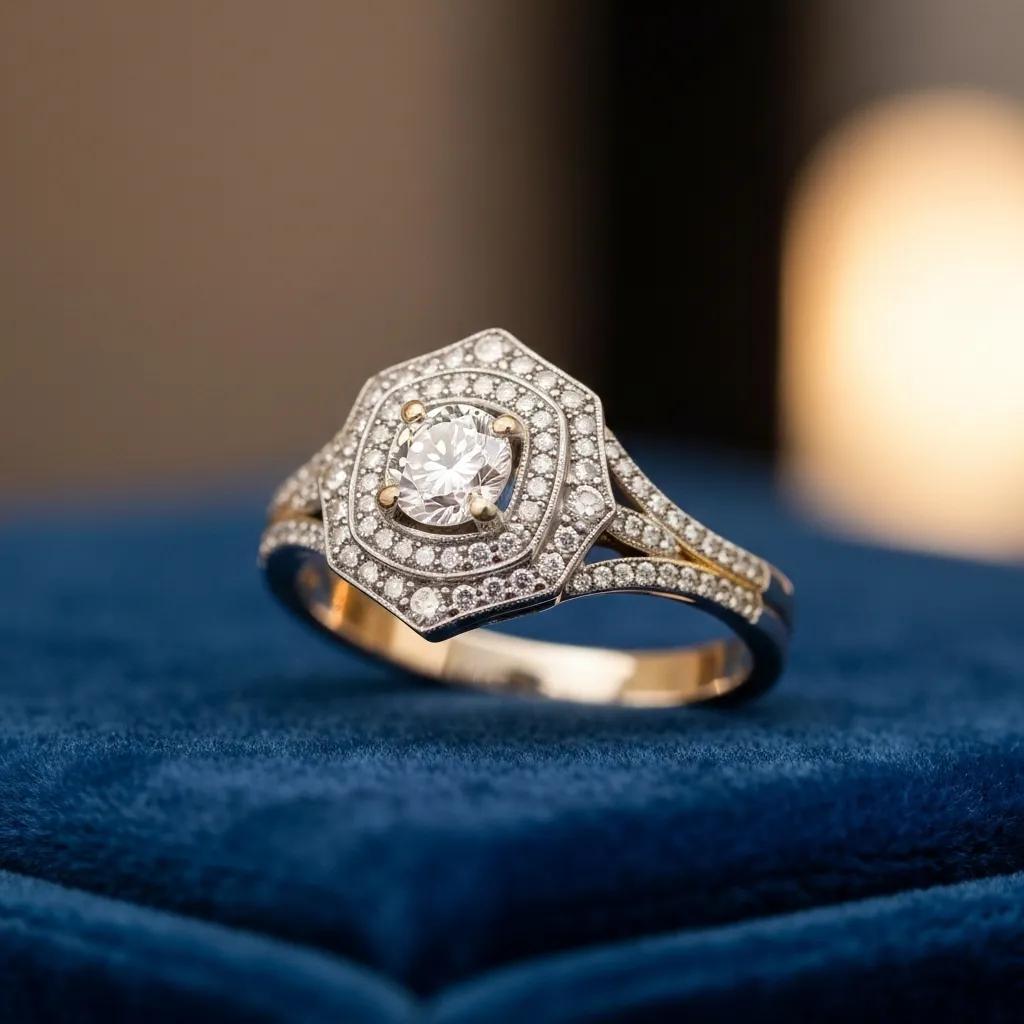
Look for hallmarks inside the band. They tell you the metal type and often the manufacturer. If the hallmark is worn or missing, the ring may have been resized or re-polished enough to affect its structural integrity. That matters for value because a damaged or over-polished setting can lower the price noticeably.
Account for the brand premium
This is where estimating gets trickier. A designer ring from a well-known house can sell for two to three times the cost of its materials and labor. That brand premium covers marketing, store leases, design heritage, and the cachet of the name. The premium is not arbitrary - it reflects what the market has been willing to pay for that reputation.
But not all designer names hold their value equally. Some brands have a strong resale market. Others lose most of their premium the moment the ring leaves the store. To gauge the brand premium on a specific ring, look at recent sales of the same model from the same brand. Auction results and certified pre-owned jewelry sites give a more realistic picture than retail stickers. A ring that consistently sells close to its original price on the secondary market carries a brand premium that has real staying power.
Condition grade also plays a role here. A designer ring with original packaging, paperwork, and a recent appraisal will command a higher price than the same model with a scratched shank and no documentation. Keep that in mind whether you are buying or selling.
Factor in market demand and timing
Designer diamond rings are not commodities. Demand shifts with fashion, celebrity endorsements, and economic cycles. A classic style like a Tiffany six-prong solitaire tends to hold its value because demand is steady. A highly specific design from a less-known designer may take longer to sell and may need to be priced lower to attract a buyer.
If you are estimating the price for insurance or an appraisal, use current replacement cost - what it would cost to buy the same ring new today. For resale or private sale, use comparable sold data from the last six months. The gap between those two numbers can be wide, and knowing which one you need prevents confusion.
Seasonal factors also matter. Engagement ring sales peak in late fall and winter. If you are selling during a slower month, you might need to adjust your expectations downward. A patient seller can wait for the right buyer, but a quick sale often comes at a discount.
Use appraisal value as a guide, not a guarantee
A professional appraisal is the most reliable way to get a number, but it is not the final word. Appraisers estimate replacement value based on current retail prices for a comparable ring. That number is usually higher than what you could sell the ring for privately. It is designed for insurance purposes, not for a buyer-seller transaction.
When you read an appraisal, check what it says about the diamond's quality. A generic description like "round brilliant diamond, G-H color, VS clarity" leaves room for interpretation. A good appraisal will include a grading report from a recognized lab. Without that report, the appraisal value is less reliable. Designer rings sometimes come with the original grading report, which adds confidence to the estimate.
If you are comparing two designer rings, the one with a recent lab report and a detailed appraisal is easier to price accurately. The other one carries more uncertainty, and uncertainty usually depresses the price.
Bringing it all together
No single factor determines the price of a designer diamond ring. The diamond quality, metal weight, setting complexity, brand premium, and market demand all interact. The key is to isolate each element and assign a reasonable range, then combine them with an honest assessment of condition and documentation.
Start with the diamond's wholesale value based on the four Cs. Add the metal value at current market rates. Estimate the setting work based on complexity. Apply the brand premium based on recent resale data for that specific designer. Adjust for condition and paperwork. Finally, check whether the current market is hot or cold for that style.
Diamond-rings-info offers a practical framework for breaking down these components, especially when you are comparing multiple rings or trying to understand why two similar-looking pieces have very different price tags. Use it as a reference to check your assumptions before you settle on a number.
Estimating a designer diamond ring's price is part art, part arithmetic. The arithmetic gives you a range. The art comes from knowing which designer names hold their value, which styles are timeless, and which details matter most to the person who will wear the ring. With a systematic approach, you can arrive at a number that feels fair - whether you are buying, selling, or simply curious.
Ends · BRILLIANTDETAILS